|
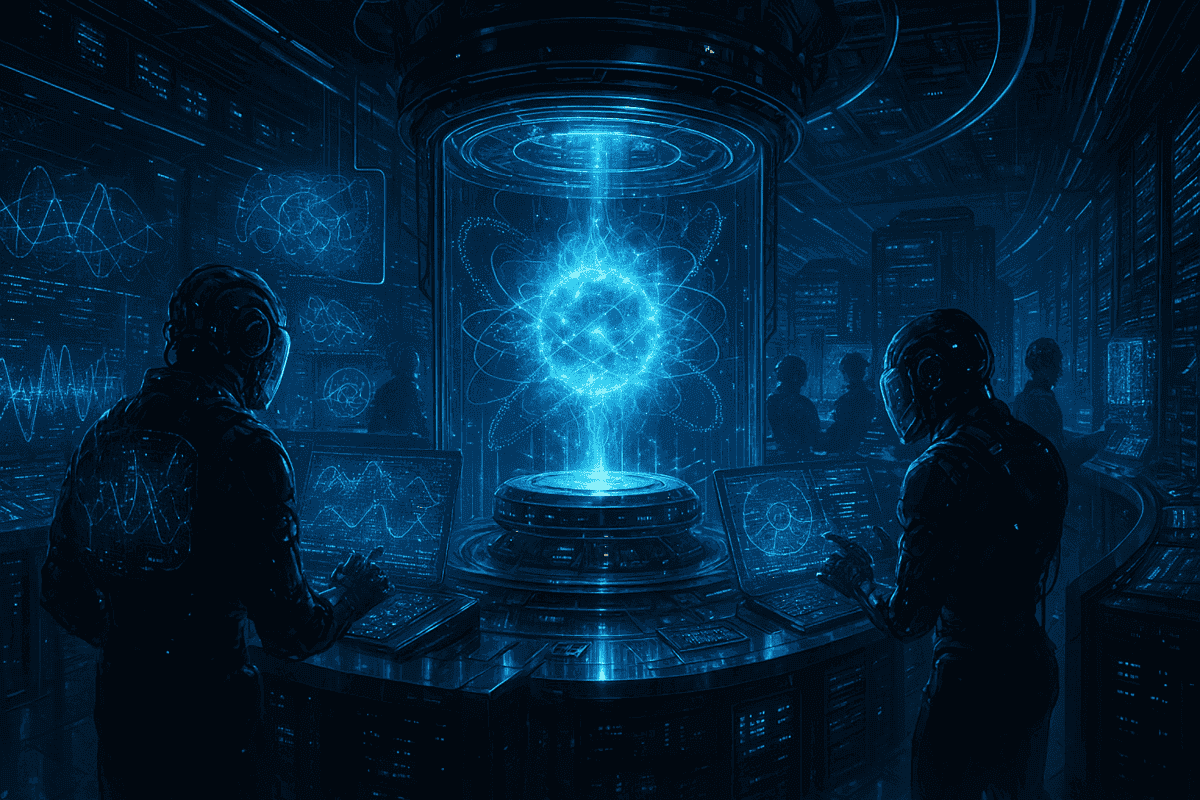
In the past, creativity was often seen as a uniquely human trait—an emotional, intuitive force beyond the reach of machines. But in recent years, Artificial Intelligence (AI) has begun not only to assist in creative processes but to collaborate meaningfully with artists, musicians, writers, designers, and filmmakers. Far from replacing human creativity, AI is evolving into a co-creator, redefining what it means to be creative in the digital age.
A Shift from Tool to Teammate
At first, AI tools served as passive assistants—auto-correcting grammar, enhancing images, or generating music loops. But today’s AI models can suggest entire design layouts, compose orchestral scores, write emotionally resonant poetry, and even create original visual art. The shift lies in AI’s ability to generate, iterate, and respond contextually—traits traditionally associated with human thought.
Take, for example, OpenAI’s ChatGPT or Adobe’s generative fill. These tools allow writers and designers to explore hundreds of variations of an idea in seconds. Musicians are using platforms like AIVA or Amper to score films and games, while AI-driven design tools help creatives rapidly prototype branding systems and interfaces.
Not Competition—Collaboration
The narrative that AI will replace human creatives is being rewritten. What we’re seeing instead is a partnership: humans bring cultural context, emotion, and aesthetic judgment, while AI contributes speed, scalability, and novel patterns. It’s a fusion of intuition and algorithm.
A songwriter might collaborate with an AI that suggests chord progressions they wouldn’t have considered. A visual artist might use AI-generated textures as the foundation for a hand-painted masterpiece. The creative spark still begins with the human—the AI becomes an extension of their imagination.
New Frontiers in Storytelling
AI is also transforming how we experience stories. Filmmakers are using AI to generate hyper-realistic characters and landscapes. Interactive narratives, powered by AI, adapt in real-time based on viewer input. In journalism, AI is being used to build immersive XR newsrooms, where storytelling becomes an experience rather than a one-way broadcast.
The result? Creative work that is faster to produce, more personalized, and often more engaging. But it also raises a vital question: where does authorship begin and end?
Ethics and Ownership in a Hybrid Era
As human-AI collaboration increases, so does the complexity of ethical and legal frameworks. Who owns a song composed with AI? Should AI-generated art be eligible for awards? And how do we ensure AI doesn’t perpetuate bias in creative content?
Industry leaders are beginning to address these questions. Some advocate for “co-authorship” models, while others propose a clear delineation between human and AI contribution. Transparency and consent will be key to maintaining trust in AI-assisted creativity.
Preparing the Next Generation of Creators
The future belongs to those who can think creatively with machines, not just about them. Schools and creative programs are beginning to integrate AI tools into curricula—not as a replacement for traditional methods, but as a new medium for artistic expression.
Just as the camera didn’t kill painting, AI won’t kill creativity. It’s simply changing the brush.
Final Thoughts
AI is not a threat to creativity—it’s a catalyst. We are at the dawn of a new artistic renaissance, one where human intuition meets machine intelligence in the pursuit of storytelling, design, music, and more. By embracing this collaboration, creatives can push boundaries, explore new dimensions, and ultimately redefine the limits of imagination.

Zara Knight
Artificial Intelligence
31k
1240
328
Similar News


Podcasts
AI Revolution
AI Barriers
TechTalk AI
AI Conversations
Resources