|
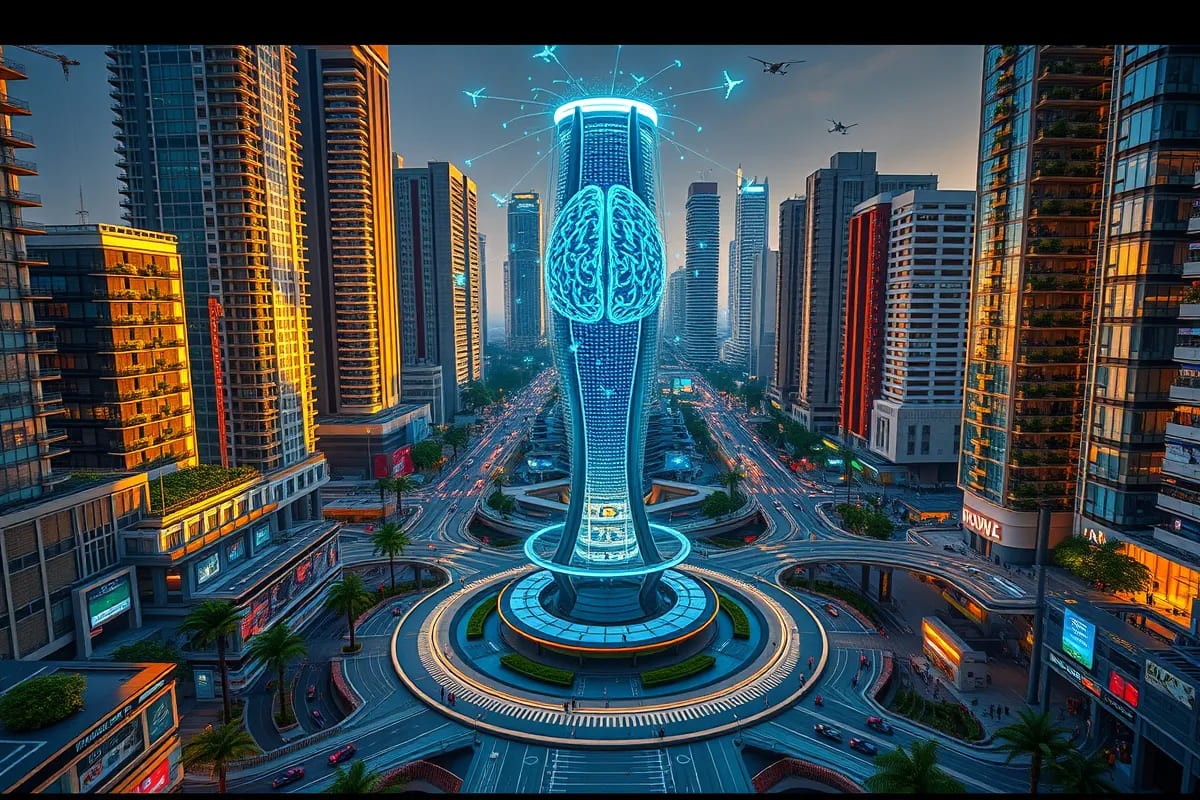
Imagine a city that knows when you’re headed home and adjusts the lighting, traffic flow, and public transport schedules in anticipation. This isn’t a scene from a sci-fi movie—it’s a glimpse into the future of urban living.
As the global population continues to urbanize, cities are under immense pressure to become smarter, more sustainable, and more responsive to the needs of their citizens. Technology—especially artificial intelligence (AI), the Internet of Things (IoT), and big data—is at the heart of this transformation. Together, they’re giving rise to cities that are not just connected but intelligent.
In this post, we’ll explore how emerging technologies are shaping the cities of tomorrow, the challenges that come with this evolution, and what it means for the way we live, work, and move through the urban world.
The Rise of the Smart City
Smart cities use digital technology and data to enhance urban infrastructure, services, and overall quality of life. From energy-efficient buildings to real-time traffic management, these innovations aim to make cities more livable, sustainable, and efficient.
At the core of smart cities are sensors and connectivity. IoT devices collect data across the city—air quality, noise levels, electricity usage, waste management—and feed it into centralized platforms. Artificial intelligence then processes this data to identify patterns, predict outcomes, and automate responses.
Examples are already emerging around the world:
Barcelona uses IoT to optimize water usage in parks and smart lighting systems that adjust based on pedestrian movement.
Singapore integrates real-time data to manage traffic congestion and public transport efficiency.
Toronto’s Quayside Project (before being paused) aimed to integrate sensors into every aspect of the urban environment, from waste collection to noise monitoring.
Urban Mobility Reimagined
One of the most immediate ways we’ll feel tech’s impact in cities is through transportation.
Autonomous vehicles are poised to reduce traffic accidents, lower emissions, and reshape how people and goods move. AI-powered traffic systems can dynamically adjust signals based on real-time congestion, reducing commute times and emissions. Meanwhile, mobility-as-a-service (MaaS) platforms bundle ride-sharing, public transit, bikes, and scooters into one seamless app—giving users more flexibility while reducing private car ownership.
As 5G networks roll out, we’ll see even faster communication between vehicles, infrastructure, and pedestrians—making real-time navigation and safety features more effective than ever.
Sustainability and Resilience
Tech isn’t just about convenience—it’s crucial for sustainability. Cities consume over 70% of global energy and generate a majority of the world’s carbon emissions. Smart technology can help reverse that trend.
Energy-efficient buildings use AI to manage heating, cooling, and lighting based on usage patterns. Smart grids optimize energy distribution, especially as more cities integrate solar panels, wind turbines, and battery storage. Some buildings even function as vertical farms, producing food locally and reducing the need for transport and packaging.
Environmental monitoring systems are being deployed to detect pollution spikes and alert city services or residents in real time. This helps ensure not only a cleaner environment but also better public health.
And when it comes to climate resilience, cities are using predictive modeling to prepare for floods, heatwaves, and extreme weather—protecting critical infrastructure and saving lives.
Citizen-Centric Innovation
What makes future cities truly revolutionary isn’t just the tech—it’s how it serves people.
Urban tech is increasingly being designed with citizen experience in mind. That means apps that help people find parking, navigate city services, or access emergency alerts in real time. Digital twins—virtual replicas of entire cities—are being used by planners and policymakers to simulate the effects of new roads, parks, or buildings before breaking ground.
Open data platforms also empower residents to hold governments accountable, participate in city planning, and contribute to urban innovation.
However, this innovation comes with important questions: Who owns the data? How is privacy protected? And how do we ensure that smart cities don’t become surveillance cities?Monitor Performance
Utilize the built-in Framer analytics to track performance metrics and adjust content strategy based on data insights. By combining these best practices with technical best techniques, you can create a blog that not only engages and informs but also performs well in search rankings and user engagement. Happy blogging!
Monitor Performance
Despite the promise, building future cities is no easy feat.
Privacy and surveillance: As more sensors and cameras are deployed, there’s a fine line between convenience and invasion of privacy.
Data security: Cities must safeguard vast amounts of sensitive information from cyber threats.
Digital inequality: Not all citizens have equal access to the internet or smart devices, potentially creating a new layer of urban inequality.
Interoperability: Different tech providers, platforms, and devices must work together seamlessly—no small task given the pace of innovation.
Governments, technologists, and urban planners must work together to address these issues with transparency, ethical design, and inclusive policies.
Final Thoughts
The cities of tomorrow won’t just be bigger—they’ll be smarter, greener, and more personalized to our needs. But the real test of a future city isn’t in how much tech it has; it’s in how well that tech improves the lives of the people who live there.
As we build our urban future, we have the opportunity—and responsibility—to make sure technology doesn’t just automate the city but elevates the human experience within it.
The future is urban. And the evolution is already underway.

Aria Thompson
Futurism
8k
457
58





Podcasts
AI Revolution
AI Barriers
TechTalk AI
AI Conversations
Resources