|
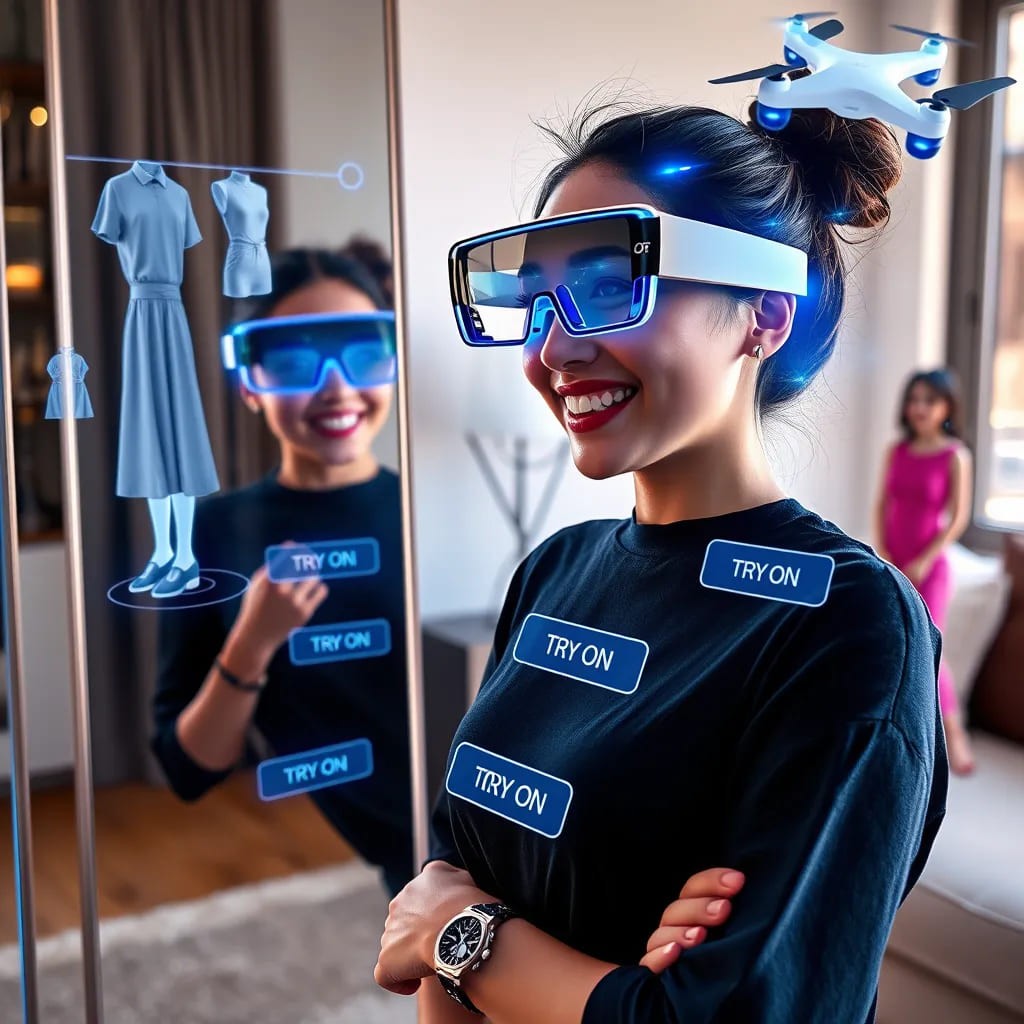
Imagine standing in your living room, holding your phone up to see how a new sofa fits beside your coffee table—before even placing an order. Or trying on a pair of sneakers virtually, watching them move with your feet as you walk. Just a few years ago, these experiences would’ve felt like science fiction. Today, they’re simply part of the online shopping journey—thanks to Augmented Reality (AR).
As e-commerce continues to evolve, customers are demanding more than just static images and product specs. They want experiences that are immersive, personalized, and trustworthy. AR is rising to meet this challenge, transforming how we browse, try, and buy online. It’s not just enhancing online shopping—it’s reinventing it.
From Catalogs to Interactive Experiences
Online shopping used to be a one-dimensional experience: scroll, click, hope. But AR is flipping the script, allowing shoppers to interact with products in real-time and in real space.
Today’s consumers can:
Place virtual furniture in their homes using apps like IKEA Place.
Try on shoes, sunglasses, or makeup through mobile AR filters.
Visualize home decor, tech devices, or art pieces in their actual rooms.
It’s no longer about imagining a product—it’s about experiencing it before clicking “Buy Now.”
Bridging the Gap Between Online and Offline
AR brings the best of both worlds together: the convenience of digital shopping with the tangibility of the in-store experience. That fusion is helping brands build customer trust and reduce friction in the buyer journey.
Here’s how it’s changing the game:
Fewer returns: Customers are more confident in their purchases.
More engagement: AR features increase time spent on product pages.
Higher conversions: Seeing is believing, and shoppers are clicking “Add to Cart” more often.
Retailers like Sephora, Nike, and Warby Parker have embraced AR as a core part of their digital storefronts—and the results speak for themselves.
Personalization Becomes the Norm
What makes AR powerful isn’t just visualization—it’s personalization. Combined with AI, AR can tailor the shopping experience to individual users:
Matching skin tones to foundation shades.
Suggesting outfit combinations based on your past purchases.
Showing exactly how that 65-inch TV would look on your wall.
This isn’t just tech for tech’s sake—it’s the foundation of a smarter, more relevant shopping experience.
AR as a Competitive Advantage
For businesses, AR is no longer just a “nice-to-have”—it’s a differentiator. In a crowded e-commerce landscape, it helps brands stand out and stay memorable.
Retailers are using AR to:
Launch product lines with virtual showrooms.
Offer 3D tutorials or guided setups for complex items.
Craft immersive marketing campaigns that blend storytelling with interaction.
Even platforms like Shopify, Amazon, and Snapchat are investing heavily in AR tools, making this technology accessible for smaller businesses too.
Challenges on the Path Ahead
Despite its momentum, AR still faces a few hurdles:
Device limitations: Not all phones support high-quality AR.
Production costs: Creating detailed 3D models can be expensive.
User adoption: Some shoppers need education or encouragement to try AR tools.
But as the technology improves and consumer expectations shift, these barriers are rapidly shrinking.
Final Thoughts
Augmented Reality is transforming e-commerce from a transactional experience into an interactive journey. It empowers consumers, elevates brand experiences, and bridges the gap between imagination and reality.
In the near future, we won’t just browse products—we’ll interact with them, try them on, and see them in context, all from our devices. The brands that embrace AR today aren’t just ahead of the curve—they’re shaping what online shopping will look like tomorrow.

Elijah Brooks
Extended Reality
1k
132
12





Podcasts
AI Revolution
AI Barriers
TechTalk AI
AI Conversations
Resources