|
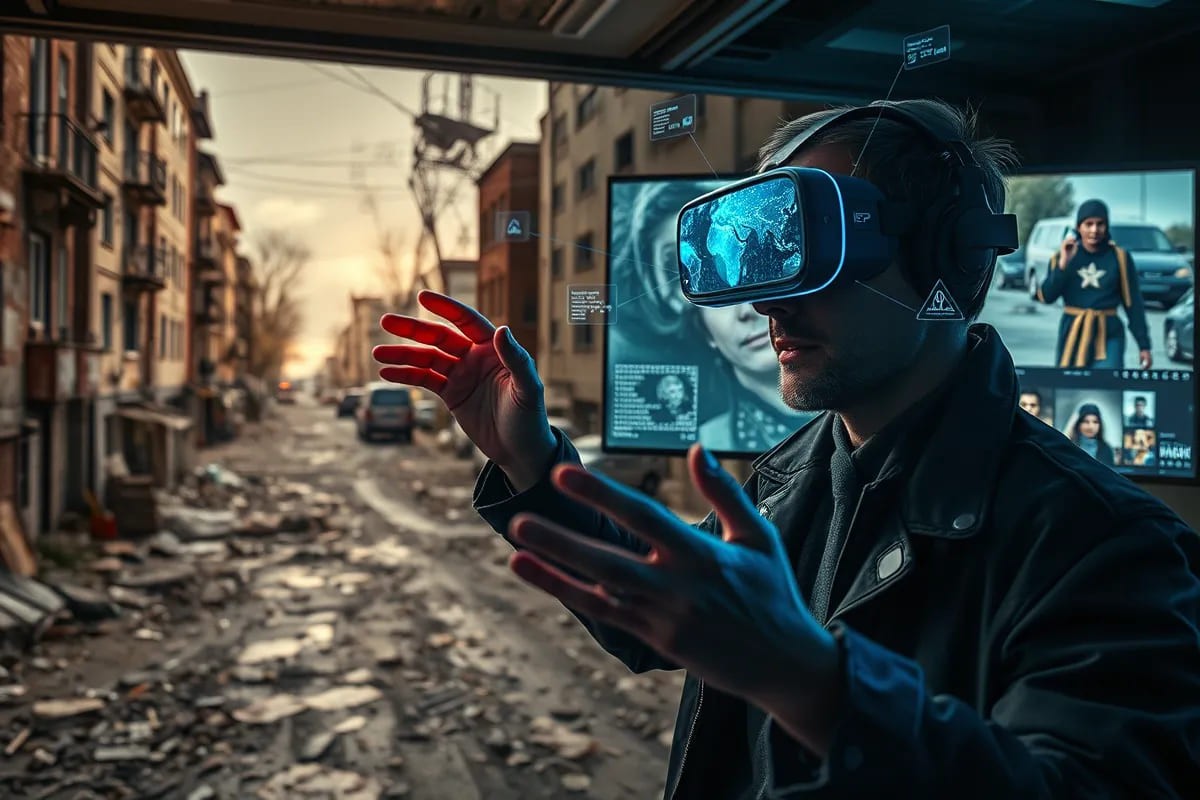
As the media landscape continues to evolve, traditional journalism is being reshaped by new, groundbreaking technologies. One such innovation that’s rapidly transforming the field is Extended Reality (XR)—a term that encompasses Virtual Reality (VR), Augmented Reality (AR), and Mixed Reality (MR). These immersive technologies are providing journalists with a fresh way to tell stories, offering audiences experiences that go beyond reading or watching and into truly interactive and engaging environments.
From real-time 3D graphics to immersive storytelling that places audiences at the center of the action, XR is making a profound impact on how news is consumed. This new era of journalism presents exciting opportunities, enabling reporters to tell complex stories in more compelling and accessible ways.
Let’s explore how XR is revolutionizing journalism and reshaping the future of media.
The Rise of Immersive Journalism
Historically, the core function of journalism has been to inform and engage the public through written, audio, or visual content. However, in today’s fast-paced, digital-first world, simply presenting information isn’t enough. Audiences are increasingly seeking deeper connections with the stories they consume. They want more than just facts—they want to experience the story.
XR, with its ability to immerse users in 360-degree environments or overlay digital content onto the real world, is offering journalists new avenues to provide this deeper, more experiential engagement. Through immersive storytelling, audiences can step inside news events, exploring the scene from multiple perspectives and experiencing the story as if they were right there in the middle of it.
For instance, VR allows viewers to experience the sights and sounds of war zones, disaster areas, or political protests in ways that traditional media cannot replicate. AR can overlay relevant information, statistics, or historical context onto real-world environments, enriching the viewer’s understanding of the story. MR combines the best of both, offering an interactive experience that blends the digital and physical worlds seamlessly.Monitor Performance
Utilize the built-in Framer analytics to track performance metrics and adjust content strategy based on data insights. By combining these best practices with technical best techniques, you can create a blog that not only engages and informs but also performs well in search rankings and user engagement. Happy blogging!
XR's Impact on Storytelling: A More Engaging Experience
One of the most exciting aspects of XR in journalism is its potential to make stories more immersive and emotionally impactful. Traditional storytelling methods often rely on the audience’s imagination to create a sense of connection with the events being reported. But XR takes that to a whole new level, allowing the audience to interact with and directly engage in the story.
For example, imagine experiencing the life of a refugee, not just reading about it. Through VR, a journalist could transport a viewer into the shoes of someone fleeing conflict, offering a first-person perspective that generates empathy and a deeper understanding of the human experience behind the headlines. This kind of immersion not only enhances engagement but also creates a lasting emotional connection that traditional journalism struggles to achieve.
Moreover, XR storytelling allows journalists to break free from the constraints of traditional linear narratives. Interactive elements give the audience control over how they experience the story. Whether they want to explore a scene from different angles, choose which aspects of the story to focus on, or even engage in decision-making that shapes the story’s outcome, XR allows for non-linear storytelling that fosters a more personalized and participatory experience.
Enhancing Transparency and Trust in Journalism
One of the major challenges facing journalism today is a crisis of trust. With the rise of misinformation, fake news, and biased reporting, audiences are becoming increasingly skeptical of traditional media outlets. XR has the potential to restore transparency in journalism by providing audiences with a more authentic and truthful representation of events.
In immersive journalism, viewers can experience events in real time, from firsthand sources, without the filter of traditional editorializing. For example, during a live-streamed protest or a natural disaster, audiences can use VR headsets to witness the events as they unfold, providing them with an unfiltered, unbiased perspective of the situation. This level of transparency could be crucial in rebuilding trust in the media and ensuring that the stories being told are genuine.
Additionally, XR technology can be used to provide context, such as historical information or behind-the-scenes footage, which can deepen the audience’s understanding of the events being reported. This added layer of insight enhances credibility, helping to counter misinformation and bias in the process.
Overcoming Challenges in XR Journalism
While XR offers exciting possibilities, there are still several challenges that need to be addressed before it can be fully integrated into mainstream journalism. One of the primary obstacles is accessibility. Currently, the need for specialized hardware like VR headsets or AR-enabled devices limits the reach of XR content. Although this is improving, it remains a barrier for many potential viewers, especially those who don’t have access to the latest technology.
Moreover, the production of XR content is resource-intensive. It requires significant investment in both equipment and expertise. Producing high-quality immersive experiences takes time, skill, and financial resources—factors that can be a challenge for smaller news outlets or independent journalists. As the technology becomes more affordable and accessible, we can expect to see more widespread adoption, but for now, the barriers to entry remain high.
Another challenge is the ethical implications of immersive journalism. While XR can offer a more authentic experience, it also raises questions about the boundaries between reality and fiction. How can journalists ensure that immersive content remains truthful and respectful to the subjects they’re reporting on? As with all forms of media, it will be essential to maintain ethical standards, ensuring that XR content doesn’t cross the line into sensationalism or exploitation.
The Future of XR in Journalism
Despite the challenges, the potential of XR in journalism is vast. As technology advances, we can expect to see more immersive and interactive content that changes how we engage with news. XR will likely become an integral part of the journalistic toolkit, offering new ways to tell stories and connect with audiences.
As the tools become more accessible and affordable, XR has the power to democratize journalism, offering independent creators the chance to create immersive news experiences without needing access to large media corporations. We can also expect to see new forms of storytelling, like interactive investigations or virtual newsrooms where audiences can engage with journalists and contribute to the story in real time.
In the coming years, XR journalism will likely become more integrated with other technologies like AI and data analytics, making it even more personalized and engaging. By blending the immersive power of XR with the computational capabilities of AI, journalists can create dynamic, interactive experiences that adapt to the audience's interests and provide a deeper, more comprehensive understanding of the news.
Final Thoughts
XR is transforming journalism in exciting ways, offering new opportunities to tell stories that are more engaging, immersive, and transparent. As this technology continues to evolve, it has the potential to reshape how we experience news and interact with the world around us. For journalists, it presents a unique chance to foster deeper connections with audiences, tell stories in ways that resonate emotionally, and restore trust in the media.
By embracing XR, journalism can move beyond traditional storytelling methods, creating experiences that inform, entertain, and inspire in ways that were once unimaginable.

Noah Patel
Extended Reality
5k
365
65




Podcasts
AI Revolution
AI Barriers
TechTalk AI
AI Conversations
Resources