|
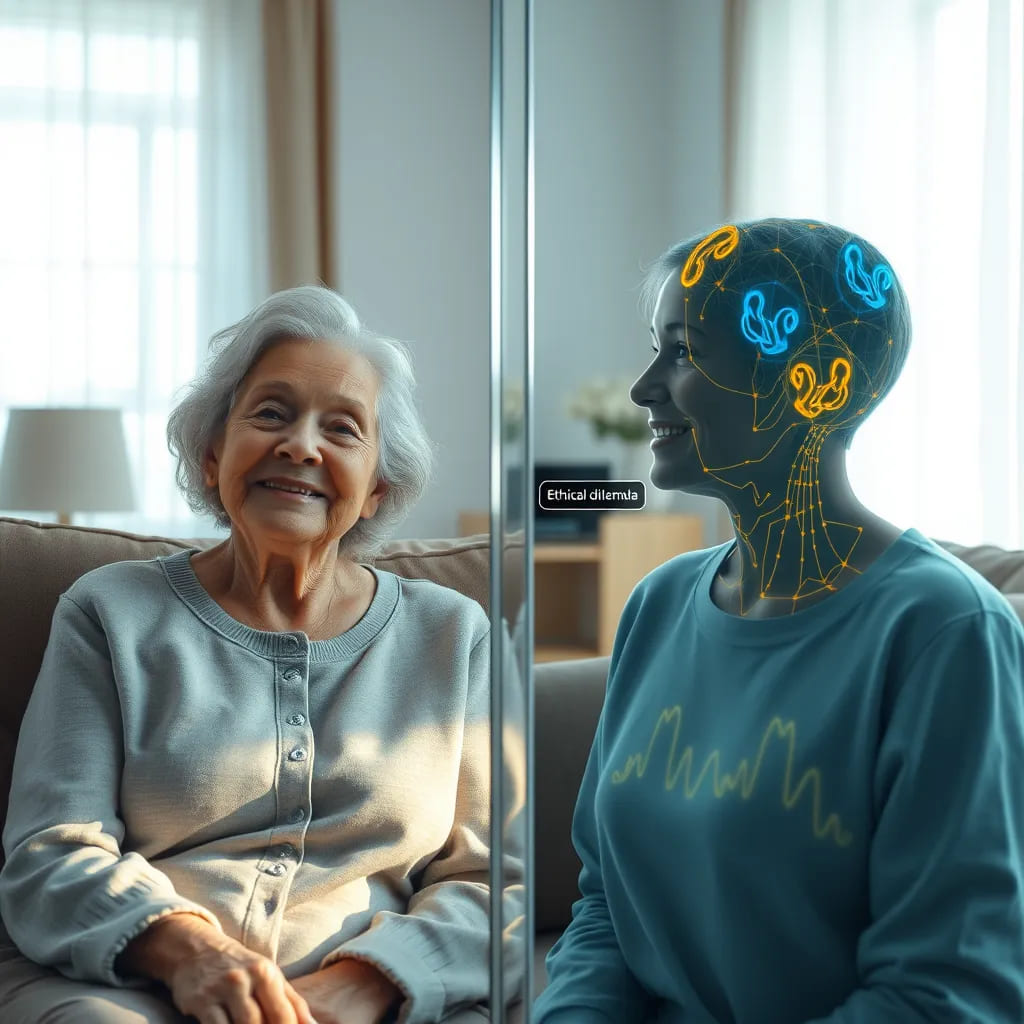
In recent years, Artificial Intelligence (AI) has become more than just a tool—it’s evolving into a companion. From chatbots that offer emotional support to virtual assistants that help manage daily life, AI companions are increasingly becoming part of our social and emotional landscapes. But what does it mean for our mental health, relationships, and sense of self when we form connections with machines?
The rise of AI companions raises important questions about our psychological needs and the nature of human interaction. In this blog, we’ll explore the impact of AI companions on human psychology, examining both the potential benefits and challenges of these digital relationships.
The Role of AI Companions in Mental Health
One of the most significant areas where AI companions are making an impact is in mental health support. Virtual therapists, like Woebot or Wysa, use AI to provide users with a safe space to talk about their feelings and mental health struggles. These AI bots are designed to simulate therapeutic conversations, offering cognitive behavioral therapy (CBT) techniques, mindfulness exercises, and emotional check-ins.
For people who feel isolated or unable to access traditional therapy, AI companions provide an accessible, non-judgmental alternative. They’re available 24/7 and can offer support during moments of distress, potentially reducing feelings of loneliness or anxiety. However, while they can offer comfort, they lack the nuanced empathy and understanding of a human therapist, making it important to consider their role as complementary rather than a replacement.
Emotional Connections with Machines: A New Kind of Bond?
AI companions are designed to interact in ways that mimic human relationships. With conversational models like ChatGPT and Replika, users can have back-and-forth dialogues that feel personal, almost like a real friendship. These AI systems learn from each interaction and adapt their responses to be more aligned with a user’s preferences and needs.
For many, this ability to form emotional bonds with AI companions can be both comforting and disconcerting. Humans are hardwired for social connection, so it’s natural to seek companionship, even from a machine. AI companions may offer a sense of connection, especially for those who are struggling with social isolation, introversion, or depression. However, these bonds can also raise questions about the authenticity of the connection and whether it diminishes the value of human relationships.
Psychologically, the bond we form with AI can be similar to the way we bond with pets or inanimate objects—providing comfort, reassurance, and even a sense of purpose. Yet, because AI companions can be programmed to give personalized responses, the illusion of a deep, meaningful relationship can be powerful, especially for vulnerable individuals.
The Dark Side: Dependency and Emotional Risks
While AI companions offer many benefits, there are also potential risks to consider. One of the main concerns is the possibility of users becoming overly dependent on AI for emotional support. If people turn to AI companions for validation or comfort instead of cultivating real-world relationships, it could exacerbate feelings of loneliness or detachment from others.
Additionally, AI companions cannot replicate the full spectrum of human emotions or offer the same depth of empathy that comes with human connection. Over time, relying too much on these digital friends could lead to emotional disengagement from family, friends, or partners, affecting real-life social skills and emotional resilience.
There is also the question of ethical design. If AI companions are designed to be too humanlike, they may blur the lines between artificial and real relationships, creating confusion about attachment and emotional investment. For example, some users may develop romantic feelings for AI companions, raising ethical questions about consent, manipulation, and emotional exploitation.
The Future of AI Companions: Friend or Foe?
As AI continues to evolve, the capabilities of AI companions will only expand. They’ll become more intuitive, able to recognize emotional cues, and offer increasingly sophisticated responses. They could serve as valuable tools for mental health care, education, and even everyday life assistance. However, society must be cautious in how these AI companions are integrated into daily routines.
In the future, AI companions could play an even larger role in helping individuals with mental health challenges, providing companionship for the elderly, or offering support during difficult life transitions. Still, for AI to serve as a positive influence, it must be designed ethically and with the understanding that it is a supplement, not a replacement, for real human connections.
Final Thoughts
AI companions are more than just a technological innovation—they are a reflection of our evolving relationship with technology and our need for connection. As we continue to interact with these digital entities, it’s essential to remain mindful of the psychological implications, both positive and negative.
The key is balance: AI companions should enhance our lives, but not replace the irreplaceable bonds we form with other humans. As we move forward into this new era of digital companionship, we must navigate the complexities of human-AI relationships with care, ensuring that these connections ultimately serve our emotional and psychological well-being.

Lena Moore
Artificial Intelligence
633
97
51




Podcasts
AI Revolution
AI Barriers
TechTalk AI
AI Conversations
Resources