|
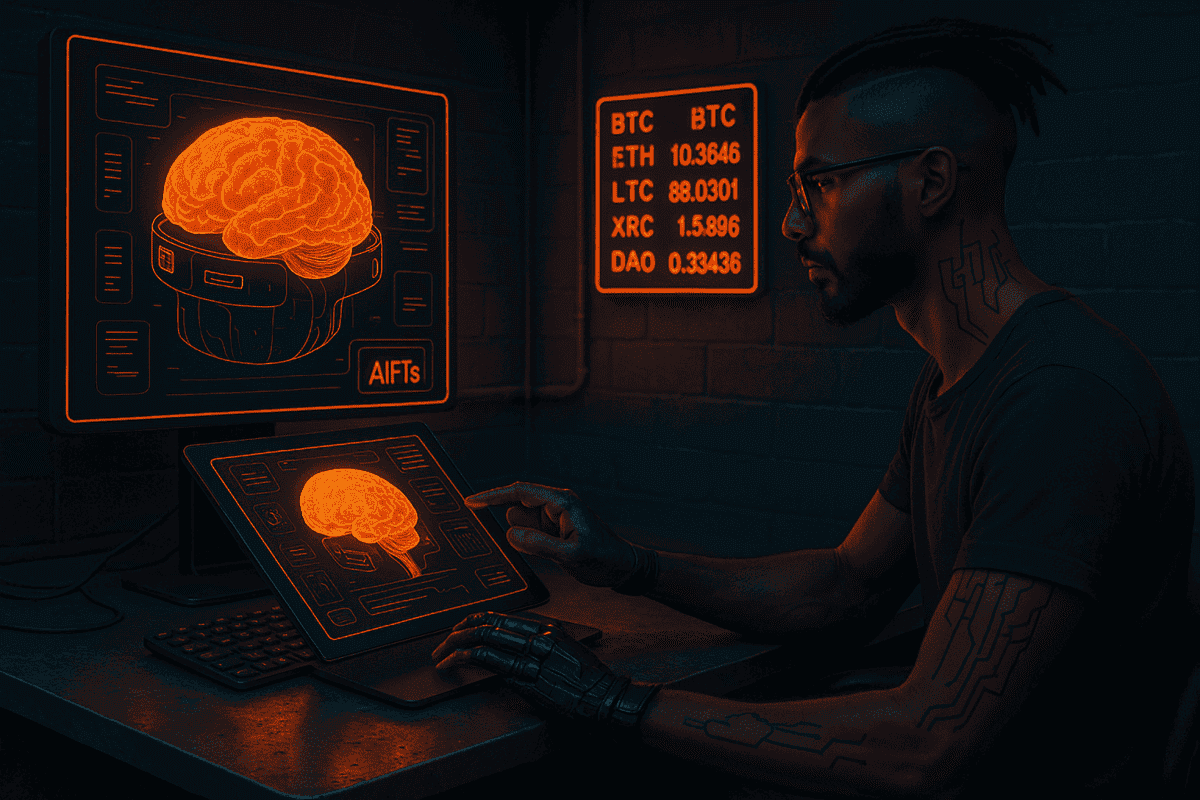
Sleek neon lights. Rain-soaked alleyways. Floating billboards and holographic UIs. The cyberpunk aesthetic, born from gritty science fiction visions of the future, continues to influence modern design in unexpected and fascinating ways.
But cyberpunk isn’t just about mood or visuals—it’s a cultural statement, a reflection of our complex relationship with technology. In a world where smartphones, AR glasses, and AI assistants are the norm, cyberpunk's gritty, high-tech, low-life sensibility feels more relevant than ever.
Aesthetic Roots: From Fiction to Figma
Cyberpunk as a genre emerged in the 1980s with writers like William Gibson and films like Blade Runner—worlds where advanced technology coexisted with societal decay. Over time, this visual style evolved into a recognizable design language:
Dark themes & neon colors
High contrast typography
Glitch effects & distortion
Minimalist interfaces layered with complex data
Today, these elements are woven into branding, UI design, and product aesthetics. From video game menus (Cyberpunk 2077, Ghostrunner) to fintech app interfaces and wearable tech marketing, the influence is everywhere.
Beyond Looks: Cyberpunk as Mood and Message
Cyberpunk isn’t just cool. It speaks to a deeper cultural tension—between technological advancement and human disconnection, control and freedom, corporatism and rebellion.
Designers are tapping into this ethos to tell stories through visuals:
Startups use cyberpunk to convey innovation and edge.
Activist platforms adopt glitchy, encrypted aesthetics to reflect resistance.
Fashion brands lean into dystopian futurism to challenge norms.
It’s an aesthetic for a world that’s both hopeful and haunted by its own progress.
Interfaces That Feel “Futuristic”
Cyberpunk-inspired UI and UX often favor layered data, animated transitions, and immersive interactions—mirroring the interfaces seen in sci-fi worlds.
Think:
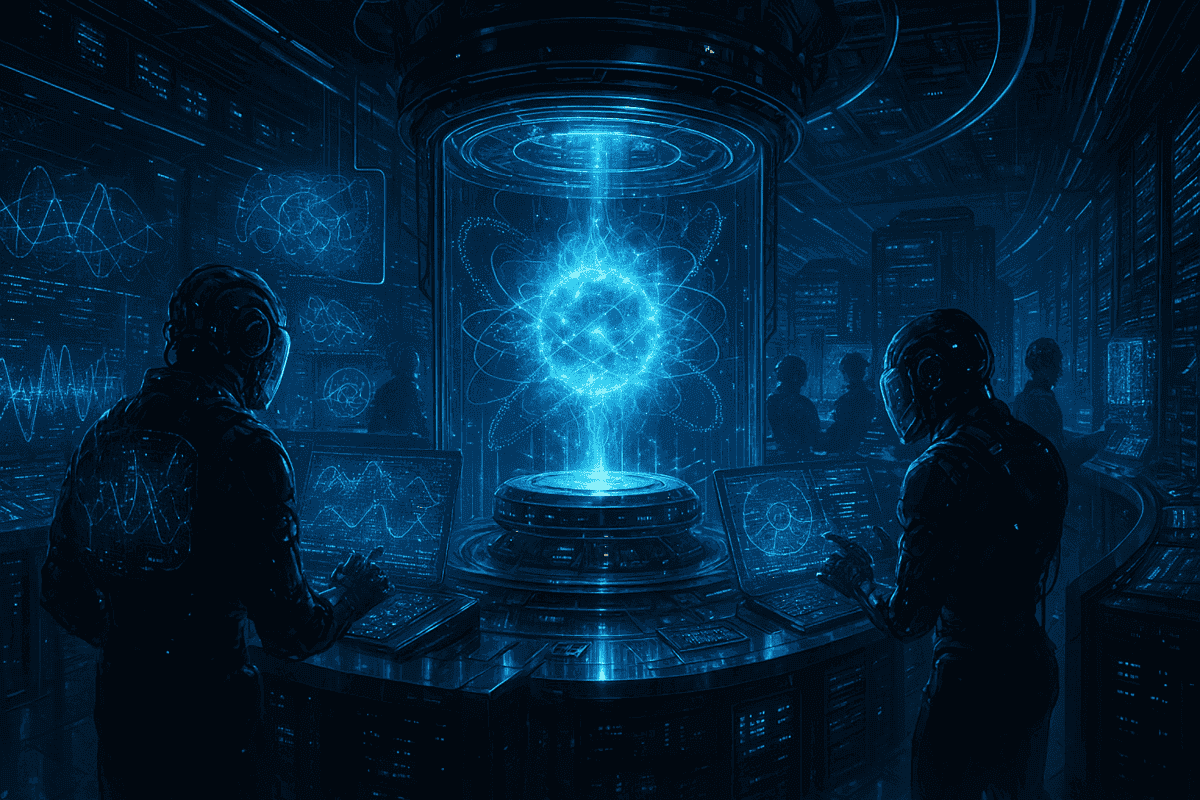
Transparent screens with responsive data points
Hover-based navigation
AI assistant dashboards that look pulled from a noir future
Designers use these elements to give users the sense of stepping into the future—even if the task is as mundane as checking their crypto wallet or health tracker.Monitor Performance
Utilize the built-in Framer analytics to track performance metrics and adjust content strategy based on data insights. By combining these best practices with technical best techniques, you can create a blog that not only engages and informs but also performs well in search rankings and user engagement. Happy blogging!
Cyberpunk in Hardware and Product Design
Beyond software, cyberpunk inspires the look and feel of physical products too. Gadgets with modular shapes, exposed components, holographic textures, or neon-accented shells all draw from the cyberpunk palette.
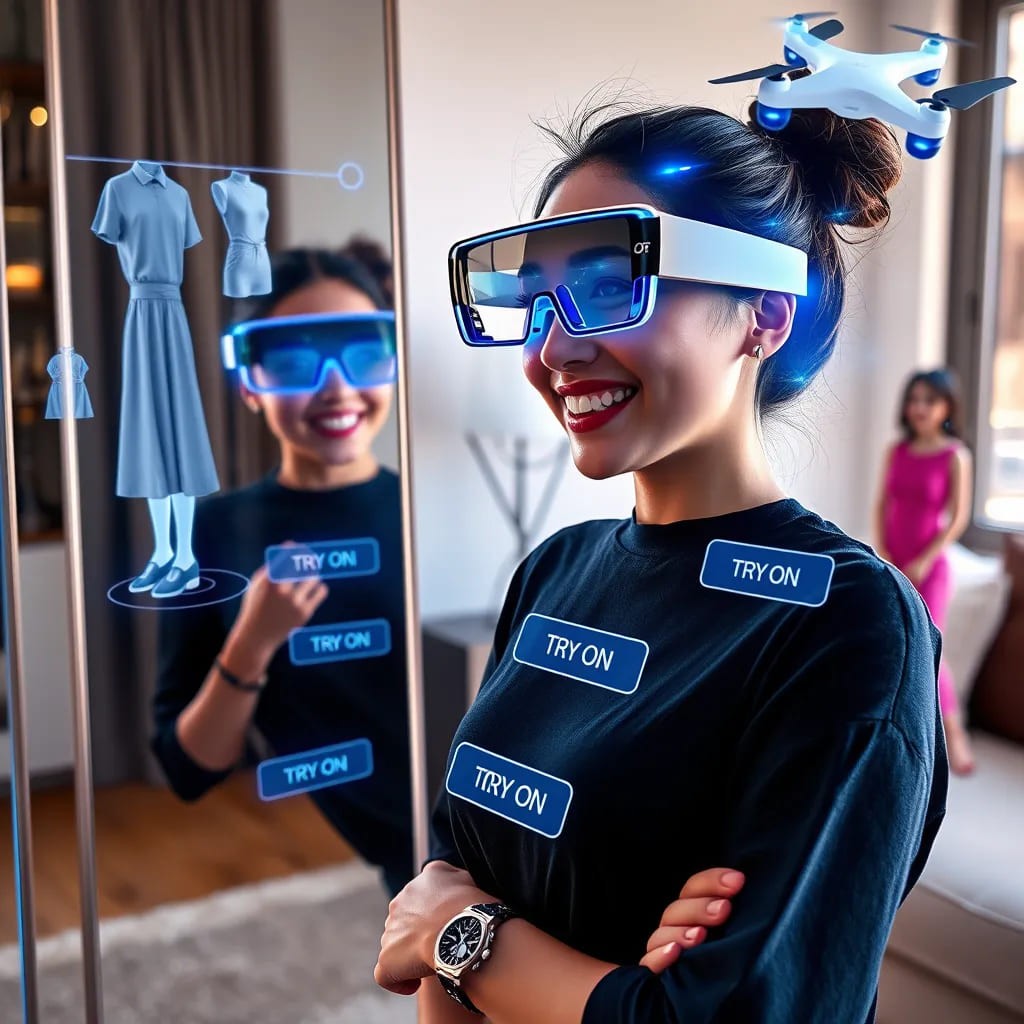
Even car dashboards, gaming laptops, and smart glasses echo this vibe—suggesting speed, power, and a slightly rebellious edge.
Ethics, Surveillance, and the Flip Side
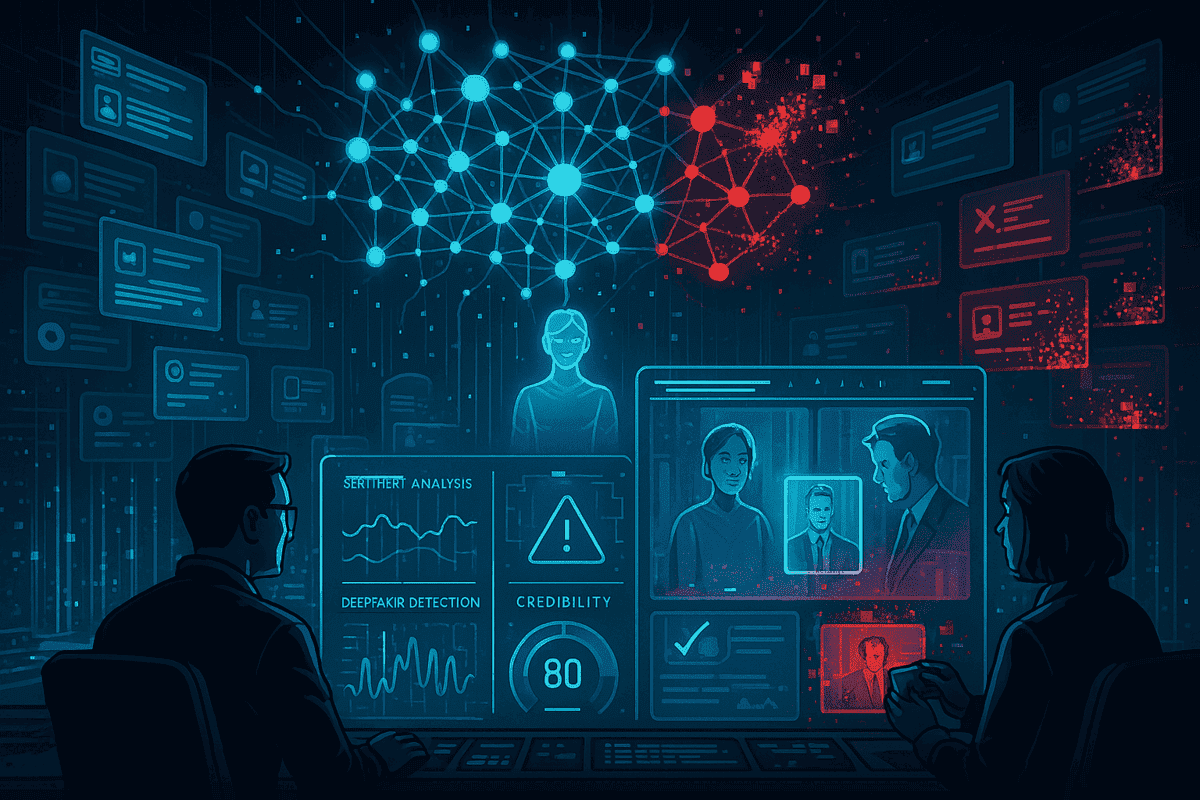
Here’s where it gets interesting: cyberpunk also warns us. It shows us what happens when tech advances but humanity lags behind—when design serves control rather than empowerment.
Designers today are becoming more conscious of this balance. The challenge? Building systems that look cyberpunk but operate ethically. It's one thing to design a sleek biometric scanner; it's another to ensure it respects user privacy.
This tension between style and substance makes cyberpunk design both exciting and cautionary.
Final Thoughts
Cyberpunk continues to inspire because it reflects our reality as much as it predicts it. Its design language speaks to our dreams, our fears, and our rapidly digitizing world.
Whether you're building the next-gen app, designing immersive experiences, or just choosing a color scheme—look to cyberpunk not just for its aesthetics, but for the questions it asks.
Because in a world shaped by algorithms and avatars, design isn’t just about function. It’s about feeling the future—and deciding what kind we want to live in.

Theo Grant
Tech & Society
9k
400
32


Podcasts
AI Revolution
AI Barriers
TechTalk AI
AI Conversations
Resources